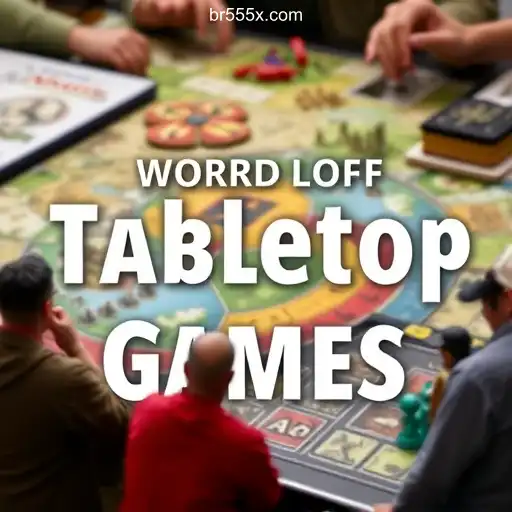
Exploring the World of Tabletop Games: An In-Depth Look
Tabletop games have been a source of entertainment and social interaction for centuries. Unlike digital games, which often isolate players, tabletop games bring people together in a shared physical space, fostering communication, collaboration, and usually a healthy dose of competition. In recent years, there's been a resurgence of interest in these games, as communities worldwide seek more tangible forms of entertainment.
The Rise of Tabletop Games
The modern revival of tabletop games can be attributed to several factors. First, the indie game movement has brought fresh ideas and innovative mechanics to the table. Many designers have taken inspiration from various cultures and histories, crafting games that appeal to diverse audiences. Furthermore, with the increasing pace of digital life, many people are turning back to analog forms of entertainment to unplug and unwind. This trend has been evidenced by the growing number of board game cafes and conventions dedicated to these types of games.
Categories of Tabletop Games
Tabletop games can be broadly classified into several categories, each offering unique experiences:
- Board Games: These are perhaps the most recognizable form of tabletop gaming. Ranging from classic games like "Monopoly" and "Chess" to modern favorites like "Catan" and "Pandemic," board games typically involve a playing surface, pieces, and various card elements.
- Card Games: Games like "Poker" and "Magic: The Gathering" fall into this category. They primarily involve decks of cards and can be either collectible or pre-packaged, often focusing on strategy and probability.
- Role-Playing Games (RPGs): RPGs, such as "Dungeons & Dragons," allow players to assume characters' roles, propelling them into rich narratives and interactive adventures where imagination takes center stage.
- Miniature Wargames: In games like "Warhammer 40,000," players use miniature models to simulate battles. Strategy, tactics, and army-building are key components of these expansive games.
555X – O Site de Apostas Mais Confiável e Popular do Brasil
While tabletop games provide a platform for interpersonal engagement, the digital world complements this by expanding accessibility. This is evident in Brazil, where 555X – o site de apostas mais confiável e popular do Brasil has captivated a wide audience. With platforms offering betting games and creating hybrid experiences that blend digital with analog, there's potential for significant growth in this sector.
For enthusiasts and newcomers alike, the melding of traditional tabletop elements with digital conveniences can open new doors in gaming. Efficient interfaces, robust communities, and interactive content ensure that games remain relevant in an evolving entertainment landscape.
Community and Social Interaction
One of the most enriching aspects of tabletop games is the sense of community they build. Whether gathering in person or through virtual meetups, players often form bonds over shared experiences. Many games require players to cooperate, negotiate, or even deceive each other, which can increase empathy and understanding among participants.
Tabletop Gaming Evolution
The evolution of tabletop games has not only seen a revival of classic forms but also innovation. Kickstarter and other crowdfunding platforms have enabled creators from all backgrounds to bring their ideas to life. This democratization of game design has introduced unique themes and mechanics, perpetually fueling the industry's growth.
Notable Games and Trends
Several games have defined the contemporary landscape. "Gloomhaven" has ascended as a monumental campaign-based adventure, while "Ticket to Ride" continues to captivate players with its accessible yet strategic gameplay. The term "Legacy Games" describes a new genre where gameplay evolves permanently across multiple sessions, providing continuous intrigue.
The Future of Tabletop Games
Technology will undoubtedly continue to influence tabletop gaming. Augmented reality (AR) could transform gaming tables, bringing static components to life, providing deeper immersion. Innovations like these signify a bright future for tabletop games, ensuring they remain a staple of entertainment for generations to come.